Categories
Top level

ALZHEIMER’S Disease(Neurological disorders).

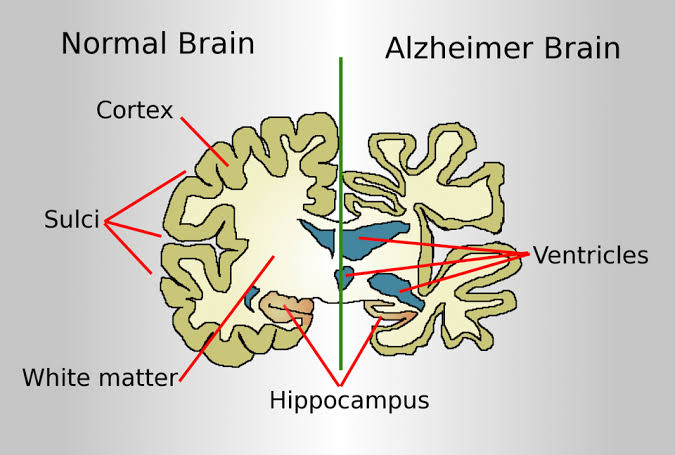
It is a premature aging of the brain progressing rapidly to extreme loss of mental power or memory loss due to death of brain cells. Alzheimer disease was originally characterized in middle-aged people,and similar deterioration in elderly individuals is technically senile dementia of the Alzheimer type,though it is frequently just called Alzheimer disease. Both genetic and environmental factors can contribute to the etiology of the disease. In these cases,the disease is caused by mutations in genes for the amyloid precursor protein on chromosome 21, presenilin 1 on chromosome 14, presenilin 2 on chromosome 1. It is transmitted in an autosomal dominant mode,so offspring in the same generation have a 50/50 chance of developing familial Alzheimer disease if one of their parents is affected.

SIGN&SYMPTOMS

Memory loss is the key symptom of Alzheimer disease. People with Alzheimer disease may also have;

  • Repeat statements and questions over and over.
  • Forget conversations, appointments or events, and not remember them later.
  • Eventually forget the names of family members and everyday objects.
  • Have trouble finding the right words to identify objects, express thoughts or take part in conversations.
  • Alzheimer’s disease causes difficulty concentrating and thinking, especially about abstract concepts such as numbers.
  • The ability to make reasonable decisions and judgements in everyday situations will decline.
  • Changes in personality and behavior.
  • Brain changes that occur in Alzheimer’s disease can affect moods and behaviors. problems may include the following;
  • Depression
  • Apathy
  • Social withdrawal
  • Mood swings
  • Distrust in others
  • Irritability and aggressiveness
  • Changes in sleeping habits
  • Wandering
  • Loss of inhibitions
  • Delusions, such as believing sometimes has been stolen.

CAUSES

The cause of Alzheimer disease is unknown. Scientists know that in Alzheimer disease there is large build-up of proteins called amyloid within brain cells. These proteins occur normally, but not yet understand why they build up in large amounts. The disease process can go on for many years without symptoms, but as more and more proteins form brain cells,the cells lose their ability to function and eventually die. This causes the affected parts of the brain to shrink.
Recent studies

  • Recent studies found that the symptoms of the disease appears after age of 60 and the risk increases with age.
  • Younger people may get Alzheimer’s disease, but it is less common.
  • Annually there were 2 new diagnoses per 1000 people ages 65 to 75.
  • 11 new diagnoses per 1000 people ages 75 to 85.
  • 37 new diagnoses per 1000 people ages 85 and above.
  • The number of people living with the disease doubles every 5 years beyond age 65.
  • This number is projected to nearly triple i.e 14 million people by year 2060.
  • Although the prevalence of the disease appears to be higher in women,this may be due to their longer life span as the incidence rates are similar for men and women. Alzheimer disease plus the other forms of senile dementia are the major medical problem.
  • Drugs used to block the production of Beta-amyloid proteins are under development also attempts are under way to develop vaccines that would allow the body’s immune system to produce antibodies to attack these proteins.

Drugs and treatments

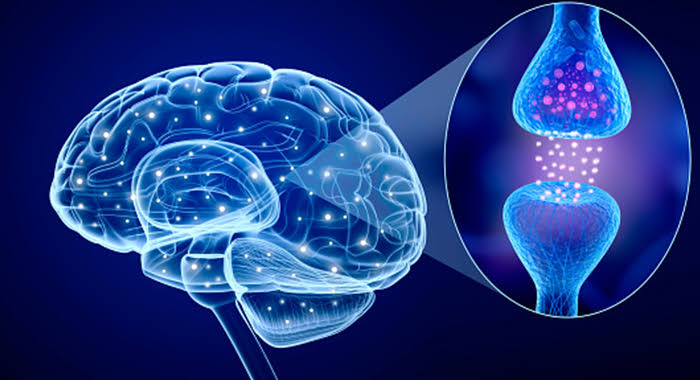
The use of acetylcholinesterase inhibitors such as; Donepezil,Galantamine, Rivastigmine,Tacrine. In early stages of the disease increase the availability of acetylcholine in the synaptic cleft. This class of drugs has shown some promise in ameliorating global cognitive dysfunction,but not learning and memory impairments in these patients. These drugs also delay the worsening of symptoms for upto 12 months in about 50% of the cases studied. Memantine (an NMDA receptor antagonist) prevents glutamate-induced excitotoxicity in the brain and is used to treat moderate to severe Alzheimer disease. It delays but does not prevent worsening of symptoms. Like loss of memory and confusion,in some patients.
Categories
Top level

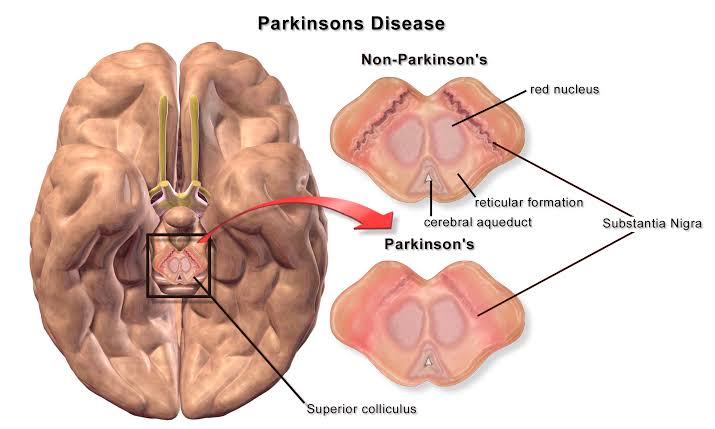
PARKINSON’S Disease: disorders of basal ganglia.

Parkinson’s disease is also called shaking palsy,was first described by James Parkinson in 1817.Parkinson’s disease occurs in elderly people due to idiopathic degeneration of Nigrostriatal system of dopaminergic neurons. There is a steady loss of dopamine and dopamine receptors with age in the basal ganglia in normal individuals, however it is markedly precipitated in individuals developing Parkinson’s disease.

Parkinson’s disease has both hypokinetic and hyperkinetic features. Parkinson disease is the first disease identified as being due to deficiency in a specific Neurotransmitter. It results from the degeneration of dopaminergic neurons in the substantia nigra pars compacta. The fibers to the part of the striatum are most severely affected.

The hypokinetic features of Parkinson disease are akinesia and Bradykinesia. The hyperkinetic features are cogwheel rigidity and tremor at rest.

There are 7-10 million people worldwide in whom Parkinson disease has been diagnosed. The disease is 1.5 times more prevalent in men then in women. parkinsonism occurs in sporadic idiopathic form in many middle aged and elderly individuals and one of the most common Neurodegenerative diseases. It is estimated to occur in 1-2% of individuals over age of 65. Dopaminergic neurons and dopamine receptor are steadily lost with age in the basal ganglia in healthy individuals, and an acceleration of these losses apparently precipitates parkinsonism. Symptoms appear when 60-80% of the Nigrostriatal dopaminergic neurons degenerate.

Sign & Symptoms

  • There are three main symptoms;
  • Tremor: shaking, which usually begins in the hand or arm and is more likely to occur when the limb is relaxed and resting.
  • Slowest of movement (Bradykinesia).
  • Muscle stiffness (Rigidity).

OTHER PHYSICAL SYMPTOMS

  • Balance problems.
  • Loss of sense of smell.
  • Nerve pain.
  • Problems with peeing.
  • Constipation.
  • Erectile dysfunction.
  • Sexual dysfunction.
  • Dizziness,blurred vision.
  • Excessive sweating.
  • Swallowing difficulties.
  • Excessive production of saliva(drooling).
  • Insomnia.

•MENTAL SYMPTOMS

  • Depression & Anxiety.
  • Mild cognitive impairment.
  • Dementia(visual hallucinations).
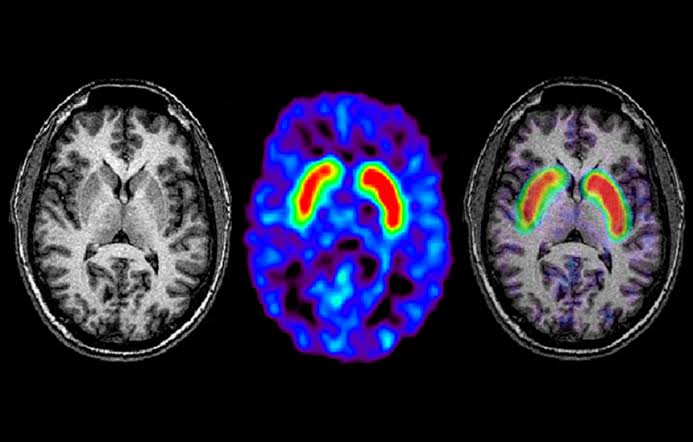
MRI in Parkinson disease.

TREATMENT

  • There is no cure for Parkinson disease, and drug therapies are designed to treat the symptoms.
  • Sinemet, a combination of levodopa (L- dopa) and carbidopa, is the most commonly used drug for the treatment of Parkinson disease.
  • The addition of carbidopa to levodopa increases its effectiveness and prevents the conversion of L-dopa to dopamine in the periphery and thus reduces some of the adverse side effects of levodopa, which includes; Nausea,vomit,and cardiac rhythm disturbances.
  • Dopamine agonists, including apomorphine, bromocriptine,pramipexole and ropinirole,have also proven effective in some patients with Parkinson disease.
  • Entacapone combination of L-dopa and cathechol-o-methyltransferase(COMT) inhibitor,are another class of drugs used to treat the disease.
  • Drug dopamine is not used because it cannot cross the blood brain barrier.
  • L-dopa in low doses diminishes rigidity and in high doses reduces tremors.

• Surgical destruction of the globus pallidus or ventrolateral nucleus of thalamus can also reform the symptoms of Parkinson’s disease by restoring the output balance towards normal.

Categories
Top level

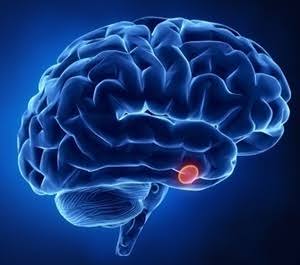
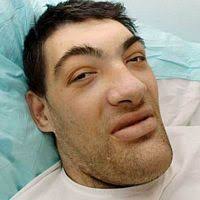
ACROMEGALY ;Tumor of the pituitary gland.

The pituitary produces growth hormone when stimulated by the hypothalamus. Growth hormone causes the liver to produce insulin-like growth factor 1(IGF-1),Which makes bones and tissues grow. The system is usually kept in balance by a hormone feedback loop,ensuring normal,controlled growth. In rare cases,a benign tumor on the front of the pituitary triggers overproduction of growth hormone leading to gigantism in children and acromegaly in adults.

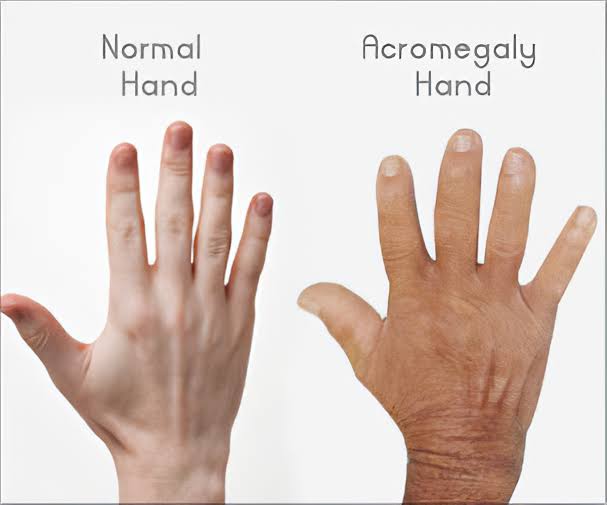
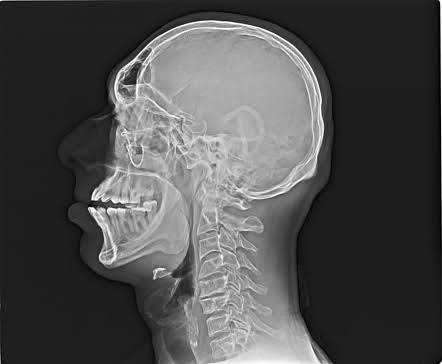
If the tumor arises before puberty, the individual may grow to an extraordinary height. After linear growth is no longer possible, on the other hand,the characteristic features of acromegaly arise, including greatly enlarged hands and feet, vertebral changes attributable to osteoarthritis, soft tissue swelling, hirsutism, and protrusion of the brow and jaw.

Abnormal growth of internal organs may eventually impair their function such that the condition, which has an insidious onset,can prove fatal if left untreated. Hyper secretion of growth hormone is accompanied by hyper secretion of prolactin in 20-40% of patients with acromegaly. About 25% of patients have abnormal glucose tolerance tests,and 4% develop lactation in the absence of pregnancy. Acromegaly can be caused by extra pituitary as well as intra pituitary growth hormone – secreting tumors and by hypothalamic tumors that secrete GHRH, but the latter are rare.

Acromegaly usually affects middle aged adults,though it can develop at any age in children who are still growing, too much growth hormone can cause a condition called gigantism. These children have exaggerated bone growth and an abnormal increase in height.

SIGN & SYMPTOMS

Acromegaly may produce the following signs & symptoms, which can vary from one person to another.

  • Enlarged hands and feet.
  • Excessive sweating & body odor.
  • Small outgrowth of skin tissue.
  • Fatigue & muscle weakness.
  • Severe snoring due to obstruction of the upper airway.
  • A deepened, husky voice due to enlarged vocal cords and sinuses.
  • Impaired vision.
  • Headaches.
  • Enlarged tongue.
  • Pain & limited joint mobility.
  • Irregularities of menstrual cycle in women.
  • Erectile dysfunction in men.
  • Loss of sexual interest.
  • Coarse,enlarged facial features.

Diagnosis & Treatment

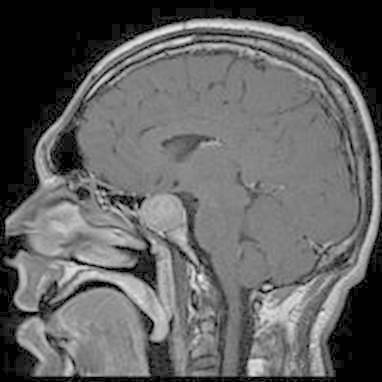
Blood tests to measure hormone levels are used to diagnose acromegaly, and CT or MRI scanning can confirm it.

Acromegaly is rare.scientists estimate that about 3 to 14 of every 100000 people have been diagnosed as having acromegaly. Currently, three types of medicines are used to treat acromegaly, but they are not a cure. The medicines may be used alone or in combination with each other.

•SOMATOSTATIN Analogs: The medicines are delivered by injection, but scientists are currently studying other options, such as pills. The most common side effects are cramps,gas, & diarrhea. Some people may develop gallstones that usually do not cause symptoms. Hair loss is possible. Control of blood sugar usually improves.

• DOPAMINE agonists: The medicines are taken orally. Side effects can include; nausea,stuffed nose,tiredness,headache,dizziness when standing, nightmares and mood change.

•GROWTH HORMONE- receptor antagonists: The drug is taken in the form of a daily injection under the skin that patients can administer themselves. Side effects can include liver problems.

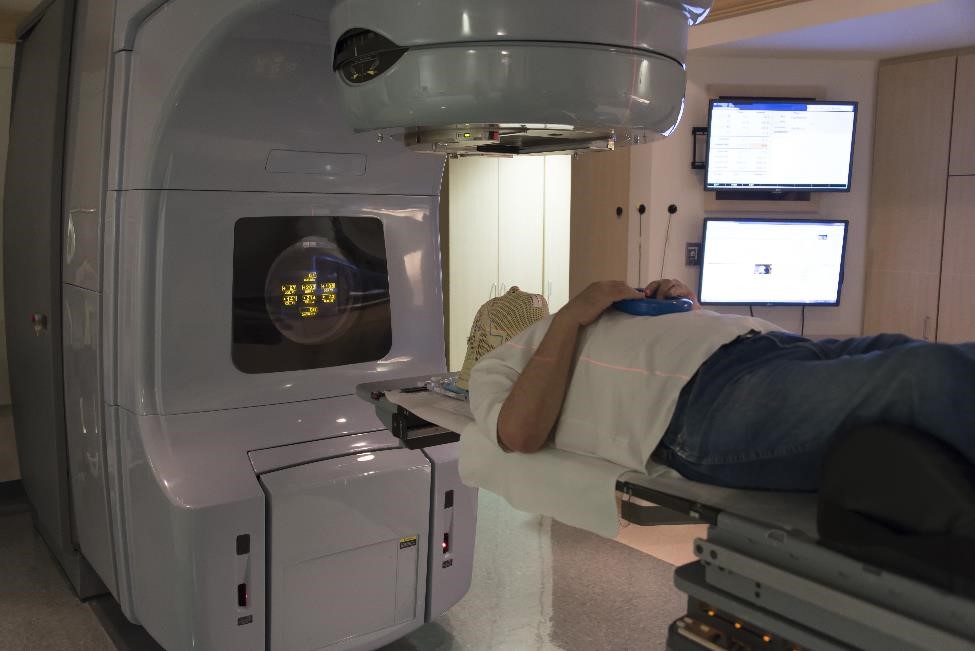
Radiation therapy

•STEREOTACTIC: uses 3D imaging to precisely aim high doses of radiation to the tumor from various angles.

•CONVENTIONAL: This type of radiation therapy delivers small doses of radiation in a series of treatment over 4 to 6 weeks.

Radiation therapy uses high-energy rays to destroy tumor cells in the pituitary glands.
Categories
Top level

Pheochromocytoma (Tumors of adrenal medulla).

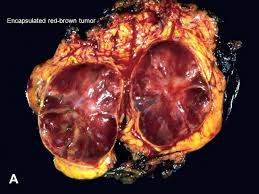
Pheochromocytoma are catecholamine producing tumors derived from the sympathetic or parasympathetic nervous system. The diagnosis of Pheochromocytomas provides a potentially correctable cause of hypertension, and their removal can prevent hypertensive crises that can be lethal.

EPIDEMIOLOGY

Pheochromocytoma is estimated to occur in 2-7 out of 1 million persons per year. The mean age at diagnosis is about 40 years, although the tumors can occur from early childhood until late life. The “Rule of tens” States that about 10% are bilateral, 10% are extra-adrenal, 10% are malignant, 10% are found in asymptomatic patient and 10% are hereditary.

PATHOGENESIS

The name Pheochromocytoma reflects the black coloured staining caused by chromaffin oxidation of catecholamines. A variety of Nomenclature have been used to describe these tumors, but most clinicians use the term Pheochromocytoma to describe symptomatic catecholamine producing tumors.

SIGN & SYMPTOMS

In an earlier studies,blood pressure anomalies were associated with the discovery of Pheochromocytoma in 50% of cases,while headache and palpitations were found in 25% of patients. Pheochromocytoma is typically found with a diverse set of symptoms which may include;
• Anxiety and panic attacks. • Polydypsia. • Polyuria. • Hyperglycemia. • Constipation. • Weight loss. • Visual blurring. • Chest and abdominal pain. • Pallor. • Heat intolerance. • Orthostatic hypotension. • Erythrocytosis. • Tachycardia. • Dilated cardiomyopathy.

DIAGNOSIS

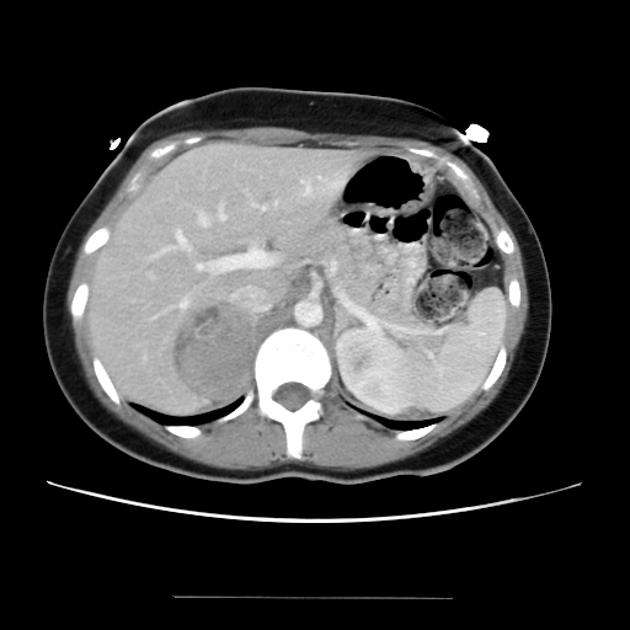
The diagnosis is based on documentation of catecholamine excess by biochemical testing and localization of the tumor by imaging. Both are of equal importance,although measurement of catecholamines is traditionally the first step. High levels of vaniyllylmandelic acid is excreted in urine.

TREATMENT

•Once the diagnosis of a Pheochromocytoma is made,appropriate pre operative medical management is necessary to reduce the risk for peri operative complications. •Complete removal of tumor is the ultimate therapeutic goal. Pre operative patient preparation is essential for safe surgery. Alpha adrenoceptor antagonists,dihydropyridine calcium channel receptor blockers,the tyrosine hydroxylase inhibitor alpha- methyltyrosine, and the competitive alpha & beta receptor blocking drug labetalol have all been successfully used in an oral form for the pre operative treatment. Alpha- adrenergic blockers ( phenotype zamine) should be initiated at relatively low doses (5-10mg po three times per day) and increased as tolerated every few days. Adequate alpha- blockade generally requires 10-14days,with a typical final dose of 20-30mg phenoxybenzamine three times per day. During surgical manipulation of the tumor, massive catecholamine release may occur, which can exceed the normal plasma concentration by > 1000 times. This can result in hypertensive crisis, cardiac arrhythmias, cerebral vascular accident, myocardial infarction or ischemia,pulmonary edema,and multi organ failure.

AIM

The main aim of pharmacological management is to prevent the severe hypotension that can result immediately following removal of the tumor and to abolish or reduce the potentially lethal swings in blood pressure that can occur during induction of an anesthetic and surgical manipulation of the tumor. Stabilization of blood pressure is achieved by the use of a single antihypertensive agent or combination of antihypertensive agents preopertively and intraoperatively to counteract excessive catecholamine adrenergic activity,volume expansion with I.V fluid is achieved, and inotropic support after excision of the Pheochromocytoma if required. There are currently no randomized prospective trials to establish the optimal pre operative pharmacological management of Pheochromocytoma. As a result, there is no clear consensus regarding the drug of choice.

Categories
Important points Top level

GOUT: Severe problematic inflammation of the joints.
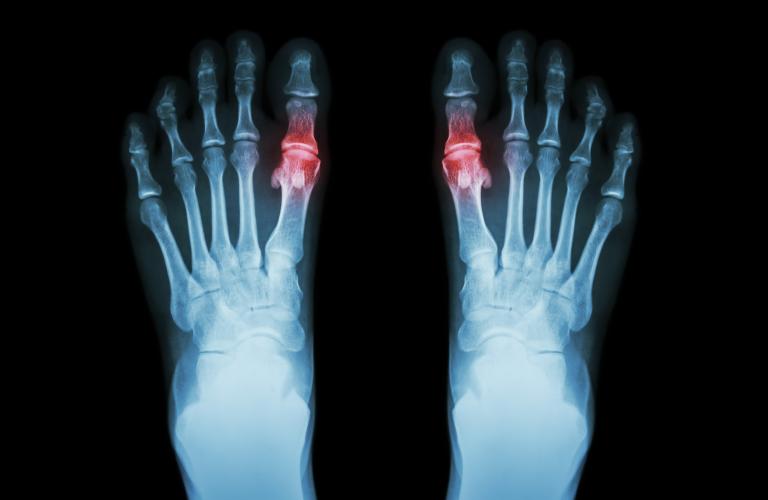
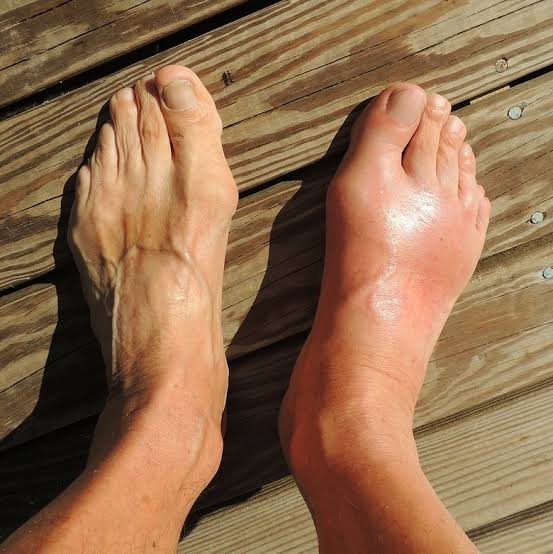
Gout is one of the most frequently referenced medical disorders in the history of mankind. Gout is most common forms of inflammatory arthritis and can cause extreme pain,joint swelling, warmth,& redness. About half of gout cases affect the big toe,(metatarso-phalangeal joint),while the remaining cases typically affect other joints in the foot as well as the knee,elbow,wrist,and fingertips.

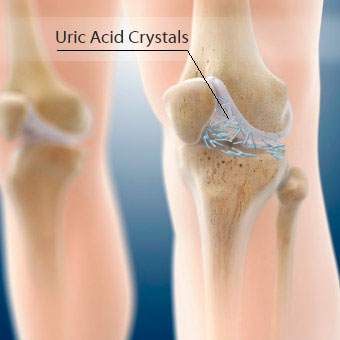
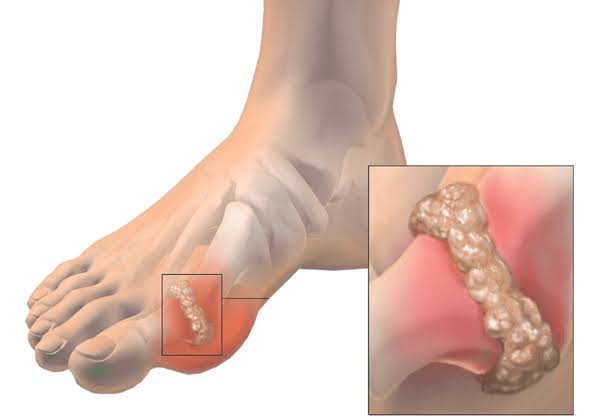
Gout is a systemic disease that result from the deposition of monosodium urate crystals in tissues. Uric acid,or urate is a breakdown of the product purine.

Purines are nitrogen-containing compounds, which are made inside the cells of our body,or come from outside, from foods containing purine. Purine breaks down into uric acid. Increased levels of uric acid from excess purines may accumulate in tissues, and form crystals. This may cause high uric acid levels in the blood. Uric acid formation may occur when the blood uric acid level rises above 7mg/dl.

Normal uric acid levels are 2.4-6.0mg/dl in female. And 3.4-7.0mg/dl in male.

Risk factors of gout

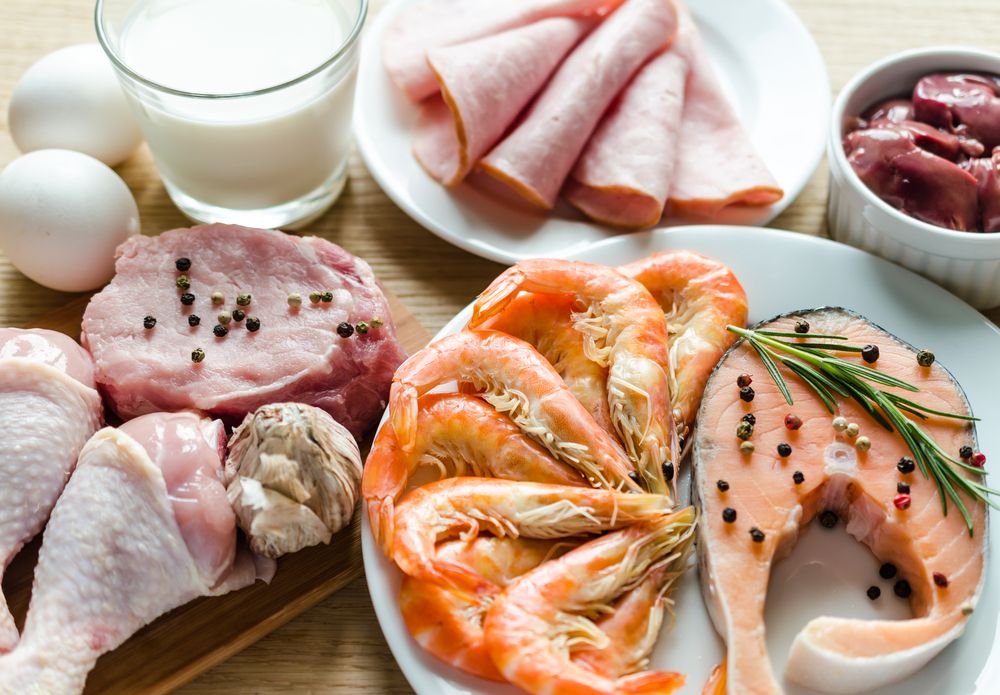
• OBESITY- Excessive food intake and a large body type increases the body’s production of uric acid. •EXCESSIVE ALCOHOL- Alcohol, especially beer contains high uric acid. •FOOD- Food with high purine content. Including red meat,beans,nuts,seeds,pulses and their products (eg; soyabean products),certain rich fish like sardines and anchory,salmon,organ meats like intestine and offal ( kway chap). • Having HIGH BLOOD PRESSURE is also a risk factor for gout. •INJURY or RECENT SURGERY. •FASTING. •Taking medications that can increase blood levels of uric acid (especially diuretics).

How can oneself diminished the risk of gout

Try the following to reduce risk of an attack: •Lose weight if you’re overweight. >Go for low purine diet like; •Low fat and nondairy fat products, such as yoghurt. •Fresh fruits and vegetables. •Nuts,peanut butter,and grains. •potatoes,rice,bread. •Eggs (in moderation). •Meat like fish,chicken, and red meat are fine in moderation (around 4 to 5 ounces,three to four days in a week). •Avoid dehydration by drinking plenty of water. •Avoid drinking too much alcohol. •Include fruits,vegetables and other foods rich in vitamin C in the diet. •Avoid fructose ( present in fizzy drinks).

You may see veggies like spinach and asparagus on the high purine list,but studies show they don’t raise risk of gout or gout attacks.

TREATMENT

>Initial treatment for acute attacks include; •Non steroidal anti inflammatory drugs(NSAIDs). •Colchicine tablets. •Steroids (injected into the joint or muscle,or as tablets). •Applying ice packs and resting the joints. >longer term treatments aim to lower urate levels and reduce the risk of further attacks. These include;Allopurinol or Febuxostat (which reduce the amount of urate your body makes). •Uricosuric drugs (which increase the amount of urate your kidneys get rid of)

Showing Patient having gout problem in their right feet.
Categories
Uncategorized

HIGGS BOSON:so called ‘GOD PARTICLE.”

The Higgs boson is a part of a theory first proposed by Higgs and others in the 1960s to explain how particles obtain mass and in turn why we exist.without the boson,the universe would have no physical matter,only energy.

The Higgs boson is perhaps better known by its sexier nickname the ” God particle”. But in fact,many scientists, including the physicist for whom it is named,dislike the term.

Higgs boson is a particle that is obtained after colliding two hydrogen atoms traveling at a speed of light. It is believed that this particle played a key role in formation of our universe at the moment of the big bang. If this particle is obtained here on earth and it’s properties can be measured and recorded,scientists will be able to explain how the universe works!

WHY IT IS CALLED “GOD PARTICLE”

In 1993 when American physicist Leon Lederman was writing a book on the Higgs boson,he dubbed it “the goddamn particle”, and editor suggest” the God particle” instead.

Since 2012 researchers have made great strides in the hunt for the so-called “god particle” at the large Harden collides in Geneva,Switzerland. Where scientists at the CERN particle physics laboratory are looking for particles that come into existence when subatomic particles crash into one another at high energies.

On 10 December 2013,two of the physicists,Peter Higgs and Francois Englert,were awarded the Nobel prize in Physics for their theoretical prediction.

Expert says finding the elusive particle would rank as one of the top scientific achievement of the past 50 years.

Categories
Uncategorized

LIQUOR CONSUMPTION: RAVAGE THE LIFE

Alcohol is a toxic and psychoactive substance with dependence producing properties. Alcohol consumption contributes to 3 million deaths each year globally as well as to the disabilities and poor health of millions of people.alcohol is the leading risk factor for premature mortality and disability among those aged 15 to 49 years,accounting for 10℅ of all deaths in this age group.

Once swallowed, alcohol is rapidly absorbed into the blood and moves to all parts of the body,including to an unborn baby. The amount of alcohol in the blood at any time varies depending on the amount. The strength and how quickly the alcohol is consumed.

Our liver detoxifies and removes alcohol from the blood through a process known as oxidation. Once the liver finishes the process 80 -90℅ alcohol becomes water and carbon dioxide. If alcohol accumulates in the system, it can destroy cells and eventually, organs. Liver disease is life-threatening and leads to toxins and waste buildup in our body.women are at higher risk for developing alcoholic liver disease.

ALCOHOL CAN HAVE AN IMPACT ON ALMOST EVERY IMPORTANT BODY SYSTEM.

IN BRAIN

If you drink heavily for a long time,booze can affect how your brain looks and works its cells start to change and even get smaller. Too much alcohol can actually shrink your brain,and that will have big effects on your ability to think,learn and memory.

•Too much alcohol is bad for heart. It can cause the heart to become weak and have an irregular beat pattern.(arrhythmias). •Drinking too much also puts you at risk for some cancers,such as cancer of mouth,esophagus, throat, liver and breast. •Pancreatitis,or inflammation of the pancreas,can also occur from alcohol abuse.

The pancreas helps in to regulate body insulin use and response to glucose. When in our body pancreas and liver does not functions properly,then there is high risk of experiencing low blood sugar,or hypoglycemia. • Taking too much alcohol, also weakens our immune system.

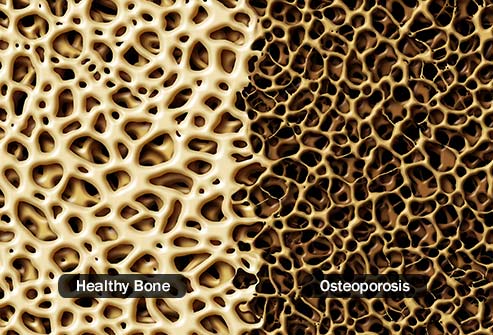
•Heavy drinking can throw off body calcium levels.Along with the hormone changes that alcohol triggers,than can keep the body from building new bone. They get thinner and more fragile, leading to a condition called osteoporosis.

IN BONE

EFFECT ON WHOLE BODY

Very high levels of alcohol in the body can lead to slowed breathing, loss of consciousness and death. •Years of heavy drinking can cause painful sores called ulcers in stomach. Overall, harmful use of alcohol is responsible for 5.1℅ of the global burden of disease. Harmful use of alcohol is accountable for 7.1℅ and 2.2℅ of the global burden of disease for men and women respectively. Especially vulnerable populations have higher rates of alcohol related death and hospitalization.

Global status report says that there were 3 million deaths per year occurs due to the harmful use of alcohol.

Categories
Uncategorized

THREATENED BIRD

WHITE DOVE

White dove are not ordinary bird.They are universally recognized as symbol of purity,peace,love and harmony. While it’s rare to see a white dove in the wild,it is considered as a sign of good luck.

They are good natured social creatures that do well when kept in cage or in aviaries.They can be rather territorial however,and will need plenty of personal space.

White doves are resourceful birds and live in almost every environment in the world.They are small birds with an average life span of 10-15 years.

White dove,fly with the wind Take our hope under your wings,For the world to know That hope will not die.

Categories
Uncategorized

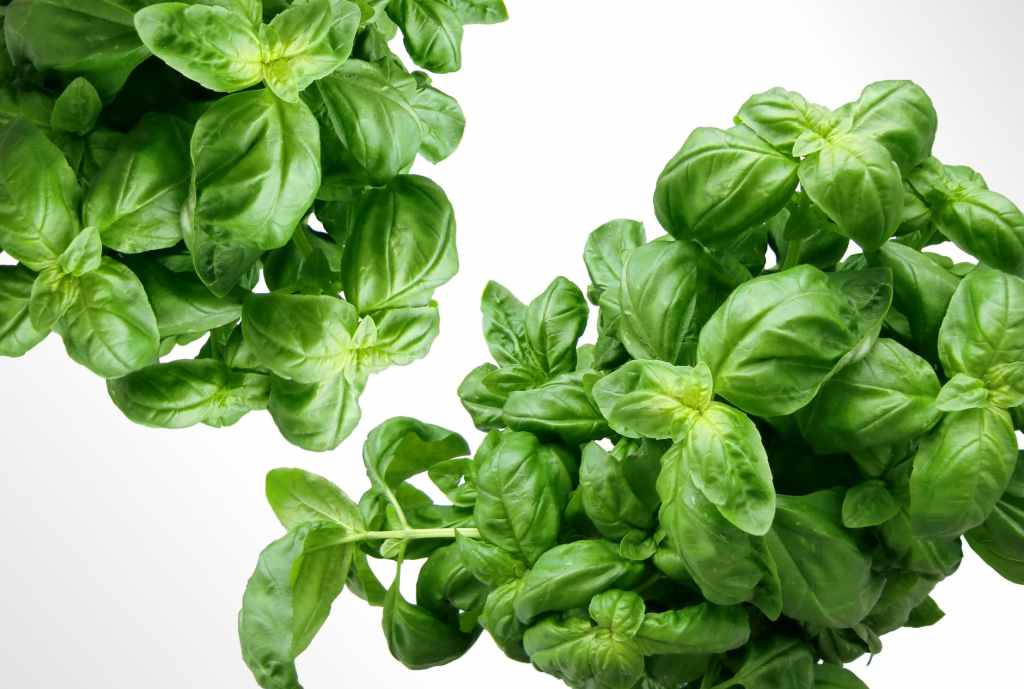
OCIMUM:HOLY BASIL

The plant of oscimum sanctum commonly called as “Tulsi”

Tulsi QUEEN OF HERBS‘ is described as sacred and medicinal plant in ancient literature. It is important symbol of the Hindu religious tradition. The name Tulsi is derived from ‘Sanskrit,which means MATCHLESS ONE.

NUTRITIONAL VALUE

Many studies support the use of entire plant of Tulsi for human use and its therapeutic value.The nutritional value is also high as it contains; •VITAMIN A&C. •CALCIUM,ZINC,IRON,CHLOROPHYLL.

MEDICINAL USE

>SEEDS: the solution of Tulsi plant seeds with MILK or WATER,

•Good ANTIOXIDANT.

•It also possesses Anti ulcer,Anti diarrheal properties.

>ROOTS:Dried Tulsi root powder mixed with MILK or GHEE;

•MALARIA FEVER and DENGUE FEVER.

Relieve INSECT PAIN and STING BITE. Fresh roots are made into paste and applied to areas where LEECHES or INSECTS BITE.

>LEAVES:

•Chewing Tulsi leaves Relieves COLD and FLU. •Chewing 10-12 leaves,twice a day prevent STRESS.

•Leaves are a nerve tonic and also sharpen MEMORY.

•Decoction of leaves+Honey+Ginger is effective remedy for; •BRONCHITIS(uses of fresh flower is more effective).

•ASTHMA. •INFLUENZA. •COUGH & COLD. •HEADACHE.

•Juice of Tulsi leaves+Honey (taken regularly for 6 months).

>It expel RENAL STONE via the urinary tract.

>Use the whole plant for; treatment of; DIARRHOEA,NAUSEA & VOMITING.

>Supplements of HOLY BASIL extract are available in pill or capsule form.The suggested dosage ranges from; 300mg-2000mg/day for general preventative purpose. >When used as treatment, the recommended dosage is 600mg-1800mg taken in multiple dosage through out the day.

RECENT STUDIES

•In Kerala the local women as well as the Ayurvedic physicians have been reported to use the leaves of Tulsi for antifertility effect. >Tulsi is also helpful in inhibiting the growth of HIV and CARCINOGENIC cells.

Design a site like this with WordPress.com
Get started